The Link Between Clear Rooms and Higher Offers
Every real estate agent knows that a cluttered property is a slower-selling property. What fewer people understand is the logistics pipeline that sits behind every successful staging job: clearing the home, storing excess furniture safely, maintaining access for open inspections, and then redelivering everything after settlement. Professional storage is the engine that makes staging work.
Key Takeaways
Industry data consistently shows that staged properties sell faster and attract higher offers than unstaged equivalents
The staging process requires removing 40 to 60 percent of existing furniture and personal items to create clean, aspirational spaces for buyers
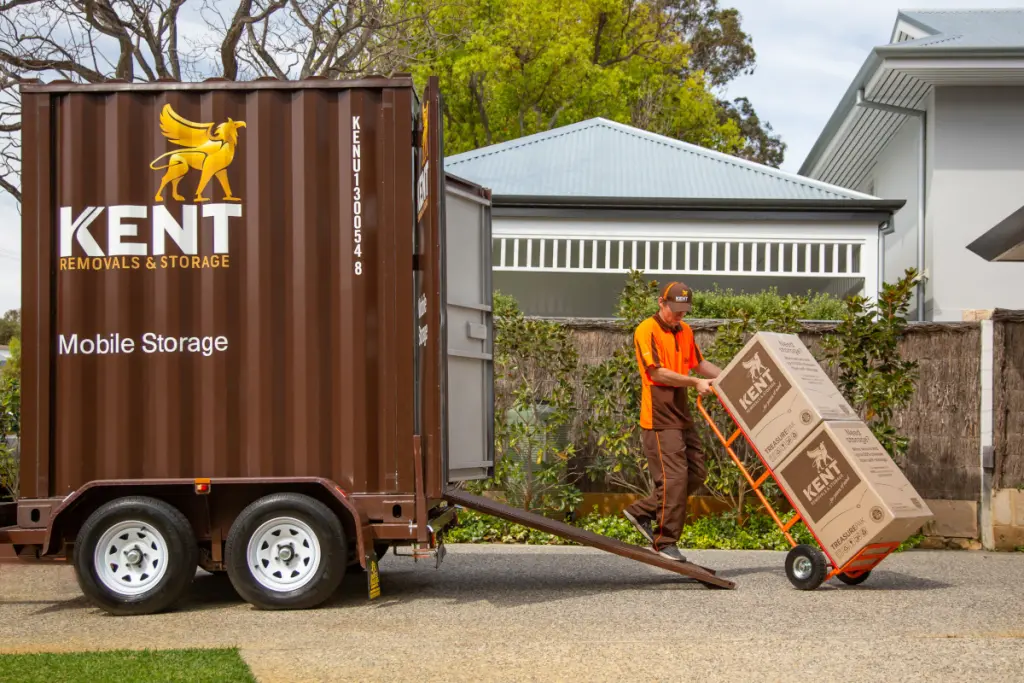
Mobile storage (from $149/month) allows vendors to clear their home without committing to a full move before the property sells
A loading service means a professional crew handles everything from the vendor's home to the container, with no effort required from the seller
One provider coordinating the removal, storage, and post-settlement move eliminates coordination risk during the sales campaign
Why does staging require storage?
Staging is not just about adding decorative items. It is primarily about removing what is already there. Most vendors live in their properties during the sale campaign, which means their everyday furniture, personal items, and accumulated belongings are competing with the staging stylist's vision.
What typically needs to be removed for staging
Category | What Goes | Why |
Excess furniture | Second couch, extra dining chairs, desk in the bedroom, bulky entertainment units | Creates visual space and makes rooms appear larger |
Personal items | Family photos, children's artwork, fridge magnets, trophies, collections | Allows buyers to imagine their own life in the space |
Wardrobes and linen cupboards | 50-70% of clothing and linen removed from storage areas | Buyers open wardrobes at inspections; full cupboards suggest insufficient storage |
Garage and outdoor | Tools, sporting equipment, seasonal items, excess outdoor furniture | Buyers assess garage and outdoor space; clutter reduces perceived usability |
Bathroom and kitchen | Excess toiletries, cleaning products, small appliances from benchtops | Clean surfaces photograph better and suggest a well-maintained home |
For a typical three-bedroom home, this means removing 30 to 50 boxes of personal items plus several large furniture pieces. Those items need somewhere to go, and they need to stay safe until settlement, typically four to eight weeks later.
How does mobile storage support the staging process?
Mobile storage is particularly well suited to staging because it allows a fast, one-day turnaround without the vendor needing to leave the property. Here is how the staging storage process typically works.
The staging storage timeline
Agent and vendor agree on staging plan. The agent's recommended stylist assesses the property and identifies what stays and what goes
Vendor books storage. A mobile storage container is delivered to the property, or the loading service is booked for a specific date aligned with the styling schedule
Excess items are removed. The professional crew clears identified items from the home into the container, protecting everything with specialist wrapping. This typically takes a half day
Stylist stages the property. With the excess removed, the stylist brings in staging furniture and accessories. The property is photographed and listed
Storage continues during campaign. Items remain in secure, climatised storage for the duration of the sales campaign (typically 4-8 weeks)
Post-settlement redelivery. After settlement, stored items are returned to the vendor at their new home, or the entire move is coordinated in one step
Visit mobile storage for details on the three service tiers and pricing.