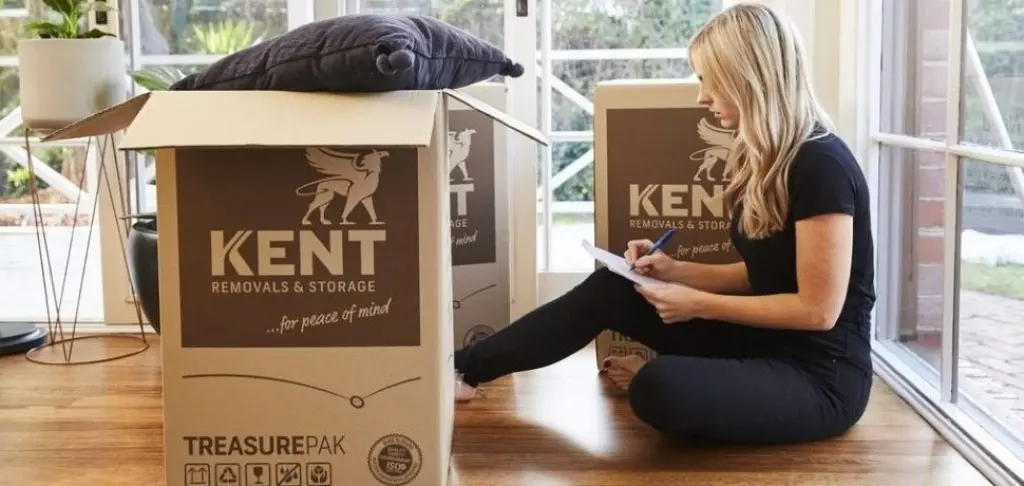
More Than Just Another Move
Downsizing is emotionally challenging because each item may hold memories, sentimental value, or represent a previous phase of life. The transition requires letting go of spaces that witnessed family milestones, and it often coincides with retirement or other life changes. This combination makes downsizing psychologically complex, not merely logistical.
This is not just another move. Our downsizing guide compresses a lifetime of accumulated possessions into a smaller space - often making difficult decisions about what comes and what must go.
Why does downsizing feel heavier than a standard move?
The emotional weight of downsizing comes from decisions, not logistics. Each piece of furniture is tied to a memory, a milestone, or a phase of life - and the process often coincides with other major transitions.
Why downsizing feels heavier
Fewer rooms, fewer surfaces - a four-bedroom home does not fit into two bedrooms
Sentimental weight - pieces tied to family milestones, parents, children
Fixed timing - settlement dates rarely flex around emotional readiness
Overlapping life events - retirement, loss, or health change often arrive at the same time
Decision fatigue - every item needs a choice, and the choices feel final
That is why managed storage - often overlooked in downsizing conversations - becomes so powerful. It creates breathing room in the transition itself.
How do you fit a family home's worth of furniture into a smaller place?
The arithmetic is daunting: a three-bedroom family home typically contains several times more furniture than a modern two-bedroom apartment. You cannot bring everything. The practical answer is to select essentials for the new home, store pieces with emotional value or occasional use, and let go of duplicates and worn items.
The typical downsizing furniture surplus
Three-piece lounge suites that dominate old living rooms
Ten-seat dining tables for family Christmases of decades past
Multiple bedroom sets - main, guest, children's former rooms
Study or sunroom furniture with no obvious home in a smaller place
Garage and storage items accumulated over years
The new space typically has an open-plan living area, one bedroom, and minimal storage. Without a plan, downsizing moves derail: items are rushed to landfill, regret follows weeks later, and some people refuse to downsize at all - staying in homes that are now too large and isolating.
Can storage make downsizing easier?
Yes - storage transforms downsizing from a forced all-or-nothing choice into a thoughtful, staged transition. Rather than discarding beloved items due to space constraints, you move essentials immediately and retrieve other pieces gradually as you settle. This removes the artificial urgency that drives regrettable decisions.
How storage changes the downsizing experience
Move essentials first so the new home is comfortable from day one
Retrieve selectively over weeks or months as needs emerge
Decide with calm instead of moving-day panic
Honour sentiment without letting it crowd the new space
Separate keep from release by lived experience, not guesswork