Moving in Australia's Tropical North
Moving in Far North Queensland or the Northern Territory is not the same as moving in Sydney or Melbourne. The heat is relentless, the humidity is extreme, and these conditions demand a removalist with genuine tropical experience.
Key Takeaways
Tropical humidity (70-90% year-round in FNQ) actively damages furniture, electronics, and leather if packing and transit are not climate-appropriate
The dry season (May to October) is the ideal window for moving in Far North Queensland and the Top End
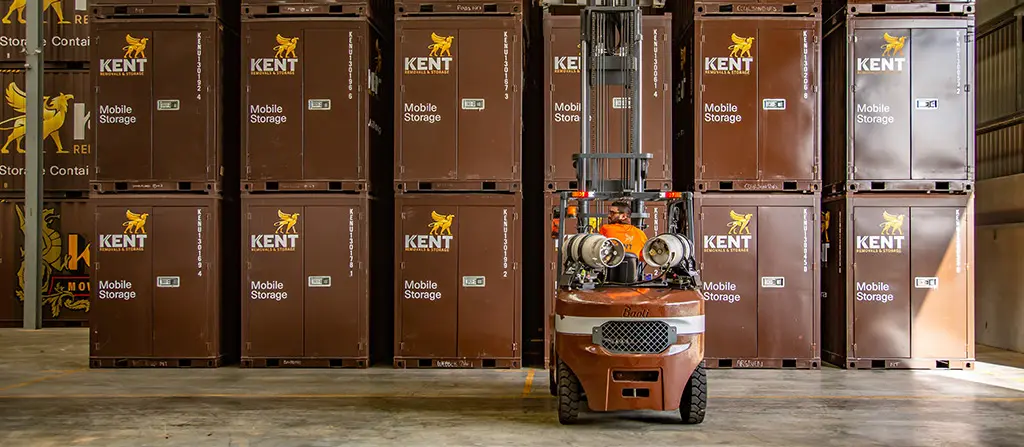
Climatised storage facilities in Townsville and Darwin protect belongings from heat, moisture, and pest damage
The Townsville branch (10 McHugh Court, Stuart) provides local coordination for FNQ and Top End relocations
A pre-move survey helps identify items needing specialist tropical protection before moving day
How does tropical climate affect your belongings during a move?
Far North Queensland's climate is punishing on household goods if they're not properly protected. Expect regular temperatures above 35°C and relative humidity of 70-90% through the wet season. Here's how to protect your furniture from tropical humidity.
What's at risk in tropical moves
Item Category | Tropical Risk | Protection Required |
Timber furniture | Swelling, warping, joint separation from moisture absorption | Moisture-barrier wrapping; climatised storage |
Electronics | Condensation on circuits; corrosion of internal components | Sealed wrapping; avoid temperature shocks |
Leather and upholstery | Mould growth, musty odours, surface damage | Breathable wrapping; climatised storage |
Books and documents | Pages warp, stick together, develop mildew | Sealed boxes; silica gel packets |
Artwork and photographs | Mould behind frames; paper warps; adhesives fail | Acid-free wrapping; climate-stable transit |
Musical instruments | Wood warps; strings corrode; tuning instability | Hard cases; humidity control |
The loading window matters
In tropical regions, early morning (before 9am) is the safest loading window. By midday, exposed furniture on a driveway or truck ramp can reach surface temperatures above 60 degrees. Afternoon storms during wet season arrive with almost no warning. Experienced tropical removalists plan their loading schedule around these patterns.
When is the best time to move in Far North Queensland?
The dry season (May to October) offers the most predictable conditions for moving in FNQ and the Top End. Roads are reliable, humidity drops to manageable levels, and the risk of storm damage to belongings is minimal.
Seasonal comparison for tropical moves
Season | Months | Conditions | Moving Suitability |
Dry season | May - October | Lower humidity (40-60%), minimal rain, clear roads | Best window for moving |
Build-up | October - December | Rising humidity, afternoon storms, hot and oppressive | Possible but plan for morning loading |
Wet season | January - April | Extreme humidity (80-90%), heavy rain, potential flooding | Avoid if possible; road closures likely |
If you must move during the wet season, book well in advance and discuss contingency planning with your removalist. Kent's Townsville team monitors conditions and adjusts schedules to avoid weather disruptions.
How do professional removalists protect furniture in tropical conditions?
Standard packing materials designed for temperate climates are not always appropriate in the tropics. Kent's professional packing services adapt to tropical conditions.
Tropical packing techniques
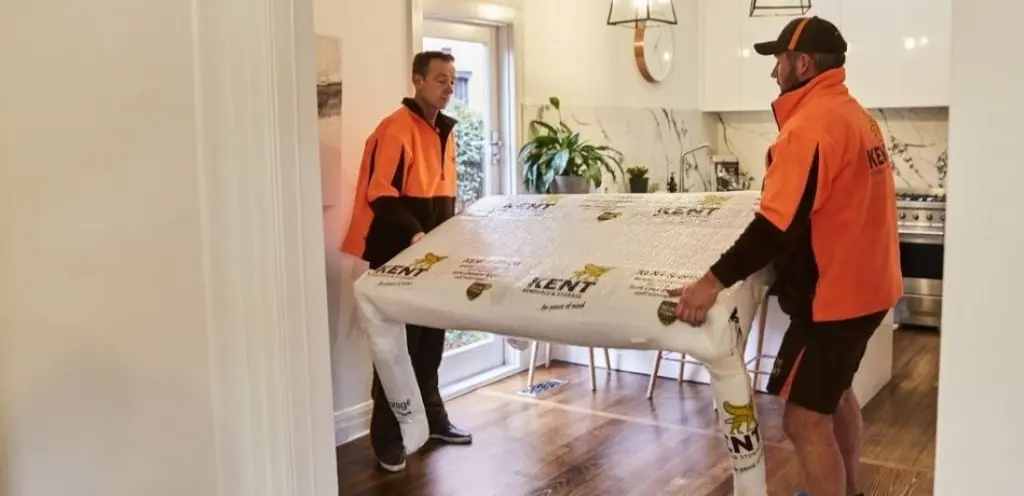
Heavy-duty removals-grade plastic wrapping creates a moisture barrier around timber and upholstered furniture
Breathable blankets over sealed wrap prevent condensation while blocking dust and impact
Sealed cartons for electronics with silica gel packets to absorb residual moisture
Elevation during loading keeps items off hot surfaces and away from pooled water
Ventilated truck loading allowing airflow to reduce trapped heat and humidity
Early morning scheduling completes loading before peak heat and afternoon storms