Two Paths to Protecting Your Furniture
Storing furniture during a renovation is one of the most practical ways to protect it from dust, debris, paint, and accidental damage. You have two main options: self-storage (you rent a unit and do the moving yourself) or managed storage (a removalist packs, transports, and stores your goods in secure warehouses).
Each suits different situations. The right choice depends on how much you want to handle, how much you are moving, and how long the renovation will take. Managed storage is one end of the spectrum; self-storage is the other.
What's the difference between self-storage and managed storage?
Self-storage gives you a unit, a key, and hands-on control during business hours - you move in and out yourself. Managed storage is a door-to-door service: a removalist packs, transports, and stores everything in a sealed module at a secure warehouse until you call for delivery. The first suits hands-on DIYers; the second suits larger, higher-value, or longer-term projects.
Self-storage at a glance
You rent a unit and have your own key and hours of access
You (or your movers) haul the furniture in and out
Operators like Storage King and Kennards run national networks
Best for smaller loads and renovations where you may need to grab items
Managed container storage at a glance
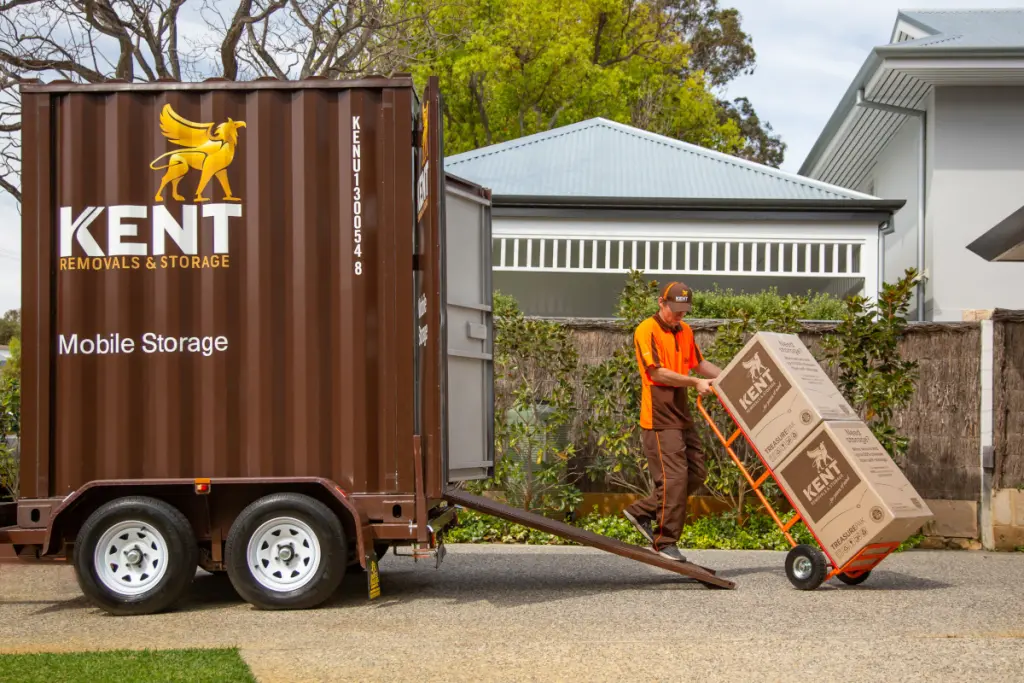
Removalists pack your furniture into steel storage modules at your home
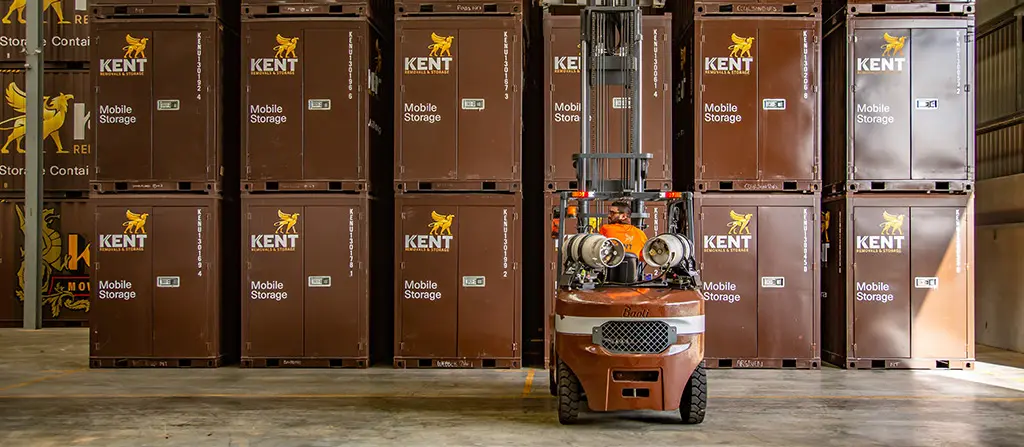
Sealed modules are transported to a secure, climate-controlled warehouse
You do not access items during storage - everything stays sealed
Single handling event at each end dramatically reduces damage risk
Both are legitimate. The right one depends on volume, value, timeline, and how hands-on you want to be.
How does renovation dust damage furniture?
Renovation dust is not ordinary household dust - it is fine silica and mineral particles from cutting plasterboard, sanding walls, and grinding concrete. It settles into every crevice, scratches finishes, dulls upholstery, and is nearly impossible to remove completely.
The hazards builders introduce
Fine silica dust scratches polished finishes and embeds in fabric
Paint overspray travels surprisingly far, coating curtains and wood
Solvent fumes can discolour or weaken fabrics and varnishes
Moisture exposure stresses leather, timber, and paper during wet-trade work
Impact damage from dropped tools, ladders, and tradies' trolleys
Humidity swings damage electronics and warp natural materials
Does plastic sheeting actually protect furniture during renovations?
Plastic sheeting helps for short-term protection during painting or minor works - but it is not enough for weeks- or months-long renovations. Sheeting tears, air circulation moves dust around barriers, and wrapped furniture develops condensation that promotes mould.
Why DIY dust protection falls short
Tears and gaps in sheeting let fine dust through
Trapped moisture under wrapping creates mould
Running out of space as renovation zones expand
Stacking creep where wrapped furniture migrates across the house
Living around piles defeats the purpose of keeping a functioning home
When is self-storage the right choice for a renovation?
Self-storage suits smaller-scope renovations (one or two rooms), shorter timelines (under four weeks), robust everyday furniture, and homeowners happy to do the hands-on work. Legitimate operators run secure, alarmed facilities - so belongings are genuinely protected.
Self-storage works best when you have
Smaller renovation scope (one to two rooms)
Timeline under four weeks
Robust, everyday furniture and items
A vehicle and willingness to move items yourself
Comfort with hands-on management and occasional unit access
A budget-conscious approach to storage costs
When is managed container storage the better option?
Managed container storage is the right call when the renovation is larger, the timeline is longer, or you have valuable and delicate items. A sealed, climate-controlled module handled once reduces damage risk dramatically - and you avoid coordinating a self-storage unit while builders are on-site.
Managed storage is ideal when you need
A whole-home or multi-room renovation requiring full household storage
A timeline of four weeks or longer
Professional handling of valuable, antique, or delicate items
Sealed, climate-controlled protection from dust and humidity
Door-to-door collection and delivery
One coordinated service rather than juggling multiple suppliers
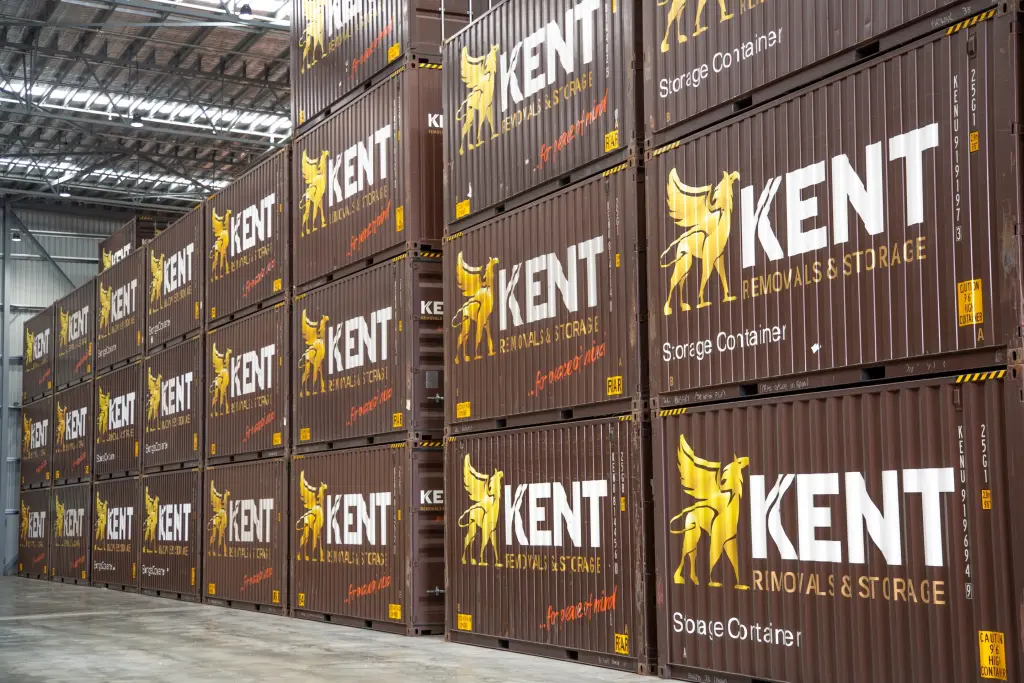
Kent's managed storage packs your furniture into sturdy steel modules at your home, seals them, transports them to a secure warehouse, and stores them in stable, climate-controlled conditions until delivery. Kent is AFRA accredited, Australian family-owned since 1946, with storage locations across Australia, including Melbourne storage facilities. Professional handling is supported by our professional packing services.
What should you look for in storage during a renovation?
Ask four questions: how much am I moving, how valuable is it, how long is the renovation, and how hands-on do I want to be? Match the answers to the service type, then ask your provider specific questions before committing.
Questions to ask any storage provider
Is packing and transport included, or do I handle that myself?
Are the units or containers climate-controlled?
How are items protected from dust, moisture, and damage?
Can I access my items during storage, or is everything sealed?
What insurance or guarantees are offered?
Is the company AFRA-accredited or otherwise professionally certified?
Quick decision filters
Volume - more than two to three rooms tips the scales toward managed storage
Value - antiques, leather, electronics benefit from sealed, single-handling storage
Timeline - short renovations favour self-storage; long ones favour managed
Access needs - want to grab items mid-project? Self-storage. Happy to seal away? Managed