The Northern Migration Continues
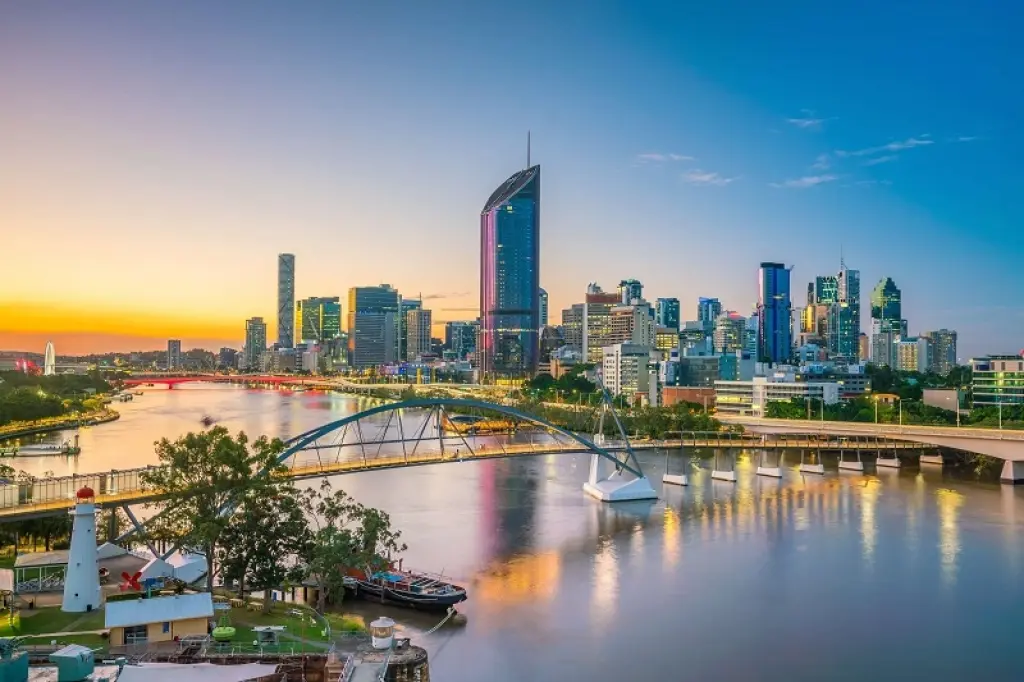
Thousands of Australians continue to relocate north from Sydney and Melbourne each year, drawn by affordability, climate, and lifestyle. Understanding Brisbane's unique challenges before you move helps avoid costly surprises.
Key Takeaways
Brisbane continues to attract strong interstate migration from Sydney and Melbourne, driven by affordability and lifestyle factors
Humidity, Queenslander-style homes, and flood-zone awareness are Brisbane-specific challenges your removalist should understand
Peak moving season aligns with the end of financial year (June-July) and end of calendar year (November-January)
The Wacol branch coordinates local, interstate, and regional Queensland moves with integrated storage
A pre-move survey is the most accurate way to understand costs and avoid moving-day surprises
Why are so many Australians moving to Brisbane in 2026?
The northern migration trend is driven by several reinforcing factors that have accelerated since 2020.
Key migration drivers
Factor | Impact on Brisbane Moves |
Housing affordability gap | Brisbane median house prices remain significantly below Sydney and Melbourne equivalents |
Remote and hybrid work | Professionals no longer need proximity to CBD offices in southern capitals |
Lifestyle and climate | Subtropical weather, outdoor culture, and shorter commutes attract families |
Infrastructure investment | Cross River Rail, Brisbane Metro, and 2032 Olympics preparation boost confidence |
Cost of living | Lower day-to-day expenses compared to Sydney in particular |
This migration pattern creates demand for interstate removalists who can manage the Sydney-Brisbane and Melbourne-Brisbane corridors with confidence and local knowledge at the destination.
What are the specific challenges of moving in Brisbane?
Brisbane presents unique moving challenges that southern-state residents may not anticipate. Understanding these before you book a removalist helps set realistic expectations.
Humidity and weather
Brisbane's subtropical climate means high humidity year-round, with a wet season from November to March. Packing materials need to be moisture-appropriate, and items should not sit on trucks or driveways during afternoon storms. Experienced Brisbane removalists schedule loading early in the day and use protective wrapping designed for humidity.
Queenslander homes and older properties
Traditional Queenslander homes are elevated on stumps with steep internal staircases, narrow hallways, and often no ground-level garage. Moving large furniture in and out requires crew experience with these specific layouts. Older inner-city suburbs (Paddington, Red Hill, Ashgrove) present tight street access and limited parking.
Flood-zone awareness
Parts of Brisbane sit within flood-prone areas (Rocklea, Graceville, Fairfield, parts of Ipswich). If you are moving to a flood-risk suburb, your removalist should advise on appropriate storage height and provide interim holding options if needed. Kent's Wacol facility sits outside the flood zone.
How much do removalists cost in Brisbane?
Costs vary based on home size, distance, access, and service level. The best way to understand your specific cost is through a pre-move survey.
Factors that influence your Brisbane moving cost
Home size and volume determine truck capacity and crew time
Access (stairs, lifts, long carries) adds labour time at both properties
Distance (local Brisbane vs interstate from Sydney or Melbourne)
Service level (full packing vs owner-pack; unpacking at destination)
Season (peak periods November-January and June-July cost more due to demand)
Special items (pianos, artwork, pool tables require specialist handling)
Kent's Brisbane removalists provide free pre-move surveys (in-home or video) that assess your specific situation and deliver a fixed, transparent quote with no hidden fees.