• Australia's Trusted Removalists
Return to resources

The Ultimate 2026 Moving House Checklist

Moving
Moving interstate
Published on March 10th, 2026

A solid moving house checklist is the difference between a smooth relocation and a stressful scramble. Whether you are moving across town or relocating interstate, having a structured plan that covers every task from eight weeks out to settlement night means nothing gets overlooked. This 2026 checklist draws on Kent Removals' 80 years of experience helping Australians move, with practical timelines and professional insights that generic guides from banks and energy companies simply cannot offer.

Eight to Six Weeks Before Moving Day

The earliest phase of your move is about locking in the decisions that everything else depends on. Starting here gives you enough runway to handle unexpected complications without panic.

Begin by confirming your moving date and booking a professional removalist. Peak moving periods in Australia fall between October and March, and the best removalists book out weeks in advance. Request a home survey rather than an over-the-phone estimate, as it produces a far more accurate quote and reduces the risk of unexpected charges on the day.

Declutter room by room, starting with the spaces you use least. Garages, attics, and spare bedrooms often hold years of accumulated items that are not worth the cost of moving. Sell, donate, or dispose of anything you no longer need. A smaller inventory means a faster move and a lower quote.

Create a moving folder, either physical or digital, to store quotes, contracts, receipts, and correspondence. This single habit prevents the administrative chaos that derails many moves later on.

Five to Four Weeks Before Moving Day

With the major decisions made, the focus shifts to logistics and administration. This is where Australian-specific tasks come into play.

Notify the following organisations of your change of address: your bank, the Australian Electoral Commission, Medicare, Centrelink (if applicable), the Australian Taxation Office, your employer's payroll department, your health insurance provider, and any subscription services. The easiest way to manage this is to update your address with Australia Post's mail redirection service first, which catches anything you miss for up to 12 months.

Arrange transfer or disconnection of utilities at your current address and connection at your new one. Electricity, gas, internet, and water providers typically need at least two weeks' notice. If you are moving interstate, research whether your current providers service the new area or whether you need to switch.

If you have children, arrange school transfers and notify childcare providers. Request medical and dental records from current practitioners and find new providers near your destination. Transfer prescriptions to a pharmacy in your new area.

If you need temporary or long-term storage solutions, now is the time to book. Climate-controlled storage is particularly important for items like leather furniture, electronics, and artwork that can be damaged by temperature fluctuations.

Three to Two Weeks Before Moving Day

The packing phase begins in earnest. Professional removalists consistently identify the kitchen as the hardest room to pack, so starting there with non-essential items gives you a head start on the most time-consuming part of the process.

Order packing supplies well ahead of time. You will need sturdy boxes in multiple sizes, bubble wrap, packing paper, tape, markers, and labels. Your removalist may be able to supply purpose-built cartons and wrapping materials as part of their additional moving services.

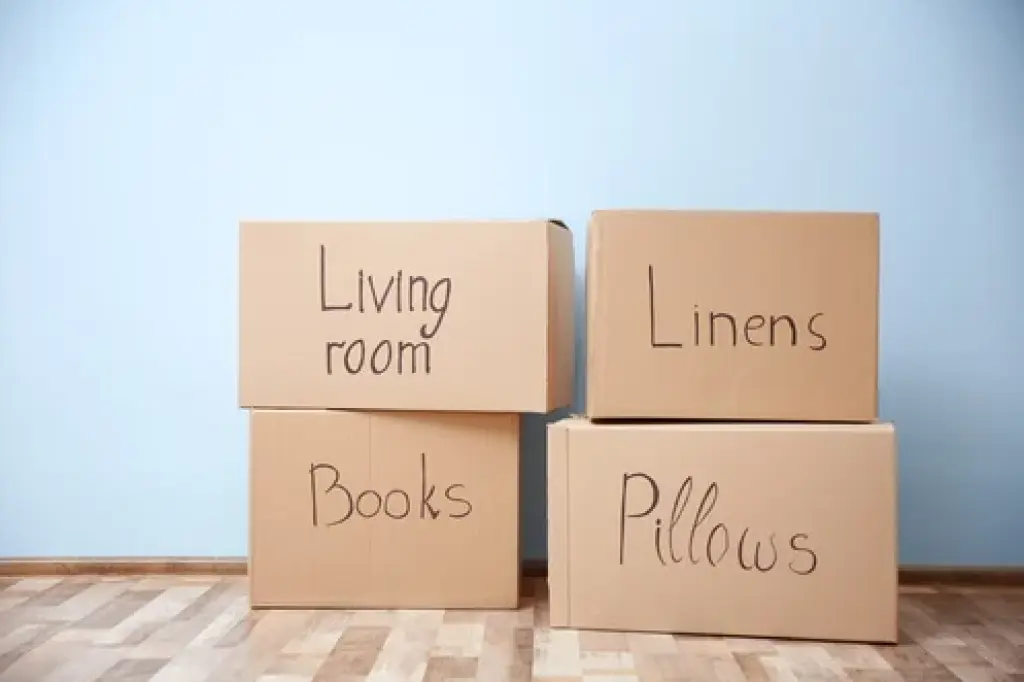
Pack room by room and label every box on at least two sides with its contents and destination room. For detailed guidance on wrapping fragile items and managing awkward shapes, see our moving tips. Use the professional packing principle of placing heavier items at the bottom of each box and filling gaps with packing paper or soft items like towels to prevent shifting. Never exceed 20 kilograms per box, even if space remains.

Photograph valuable items and any existing damage to furniture before packing. This creates a record that simplifies any insurance claims if something is damaged in transit. Check your home and contents insurance to understand what is covered during a move, and confirm your removalist's transit insurance coverage in writing.

If you are renting, schedule your exit clean and book a final property inspection with your landlord or agent. Request written confirmation of the inspection date and any agreed-upon conditions.


The Final Week Before Moving Day

The last seven days are about finishing the pack, confirming logistics, and preparing both properties.

Confirm your removalist booking and discuss access arrangements at both properties. Inform your removalist of any access challenges: narrow streets, limited parking, stairs, lifts with booking requirements, or building management rules that restrict moving hours. Professional movers plan their approach around these details, but they need to know in advance.

Pack an essentials box that stays with you on moving day. Include phone chargers, medications, toiletries, a change of clothes, snacks, basic cleaning supplies, bed linen for the first night, and any important documents. This box should be the last loaded and the first unloaded.

Use up perishable food and empty the freezer at least 24 hours before the move. Defrost the fridge overnight and leave the door ajar to prevent mould. Disconnect the washing machine and drain any residual water from the hoses.

Walk through every room, including the garage, shed, and outdoor areas, to ensure nothing has been missed. Check inside built-in wardrobes, behind doors, and in high cupboards.

Moving Day Itself

On the day, your primary role is to be available, not to do the heavy lifting. If you have booked a professional removalist with experience in local moves, they will manage the loading, transport, and unloading according to a plan developed during your home survey.

Do a final meter reading at your old property and take photographs. Lock all windows and doors, and hand over keys to the agent, landlord, or new owner as arranged.

At the new property, be present to direct the removalists. Having a simple floor plan or list that tells the team which boxes go to which room saves significant time during unloading and means you are not reorganising everything after they leave.

Before the removalists depart, do a quick walkthrough of the truck to confirm it is empty, and check your inventory list against what has been delivered. Note any damage or missing items immediately.

The First Week in Your New Home

Settling in is its own project. Prioritise the bedrooms and bathroom on the first night, then the kitchen the following morning. Everything else can wait.

Test all utilities and confirm that electricity, gas, water, and internet are connected and working. If anything is not functioning, contact the provider immediately. Update your address with the Roads and Maritime Services (or your state equivalent) within 14 days, as this is a legal requirement in most Australian states.

Introduce yourself to your neighbours. Beyond the social benefit, neighbours are often the best source of practical information about bin collection days, parking rules, and local services.

If you have items in storage, schedule their delivery once you have had time to unpack and clear space. Trying to receive everything at once leads to overcrowding and makes it harder to organise your new home efficiently.

Who to Notify When Moving House in Australia: The Complete List

One of the most common questions Australians ask when moving is who needs to know about the change of address. The full list is longer than most people expect.

Government agencies include the Australian Electoral Commission, Medicare, Centrelink, the Australian Taxation Office, your state's roads and transport authority, and your local council. Financial institutions include your bank, superannuation fund, credit card providers, and any loan or mortgage providers. Insurance providers include home and contents, car, health, life, and pet insurance.

Utilities and services include electricity, gas, water, internet, mobile phone, and pay television providers. Personal contacts include your employer, school or university, GP, dentist, veterinarian, accountant, lawyer, and any clubs or memberships. Do not forget subscription services: streaming platforms, meal kits, online shopping accounts, and any regular deliveries.

Setting up mail redirection through Australia Post as a safety net ensures that any correspondence you miss still reaches you during the transition period.

A comprehensive moving house checklist should cover five phases: early planning (six to eight weeks out), administration and notifications (four to five weeks), packing (two to three weeks), final preparations (one week), and moving day logistics. Each phase has specific tasks that build on the previous one, ensuring nothing is missed.

Professional removalists recommend starting the packing process at least three weeks before moving day. Begin with non-essential items and rooms you use least, working towards everyday items in the final days. Starting earlier reduces stress and gives you time to source additional packing materials if needed.

The kitchen is consistently identified as the most difficult room to pack. It contains the highest concentration of fragile items (glasses, plates, ceramics), awkward shapes (appliances, pots), and items that need special handling (knives, liquids). Professional packing services can save significant time and reduce breakage risk in the kitchen specifically.

The most commonly forgotten tasks are cancelling or redirecting mail, transferring utility accounts, updating your address with government agencies (especially the electoral roll and Medicare), defrosting the fridge, and checking all rooms including the garage and shed before leaving. Items frequently left behind include curtain rods, garden hoses, and items stored in roof cavities.

You need to notify government agencies (AEC, Medicare, Centrelink, ATO, state transport authority), financial institutions (banks, super funds, insurers), utility providers (electricity, gas, water, internet), your employer, healthcare providers, schools, and subscription services. Australia Post's mail redirection service acts as a safety net for any contacts you miss.

The biggest mistakes are underestimating packing time, failing to book a removalist early enough during peak season, not decluttering before the move, and skipping the home survey. A free home survey from Kent ensures an accurate quote and prevents unexpected charges on moving day.

Still have questions?

Kent Removals has been helping Australians move since 1946. Whether you are planning a local move or an interstate relocation, our team can take the complexity out of your moving house checklist. Book your free home survey today and receive a fixed-price quote with no surprises on moving day.