A room by room guide to packing furniture, boxes and belongings so they come out of long term storage in the same condition they went in.
Packing for a move and packing for long term storage are two different jobs. Kent Removals & Storage has spent 80+ years learning what survives months or years inside a container and what does not, and this guide covers the materials, preparation and techniques that keep belongings safe.
Why Packing for Long Term Storage Requires a Different Approach
Long term storage puts different pressure on belongings than a short move does. Boxes are not opened and repacked within days, so any weakness in materials, moisture or pest control has months or years to cause damage instead of hours. Furniture sits under its own weight in one position, cardboard can absorb
ambient moisture over time, and anything packed too tightly in plastic can trap condensation against timber or fabric.
The goal when packing for long term storage is stability, ventilation and protection, in that order. Items need to be secured so they cannot shift or crush other items, they need enough airflow that moisture does not build up, and they need a barrier against dust, pests and knocks. Kent designs its storage process around these three factors, from the materials recommended through to the containers used.
Choose the Right Packing Materials for Long Term Storage
The materials used for a quick house move are not always the right choice for a container that will not be opened for months. Standard supermarket boxes and cling film style plastic wrap are common causes of mould and pest damage in long term storage because they either weaken over time or seal in moisture.
Material | Best For | Why It Works |
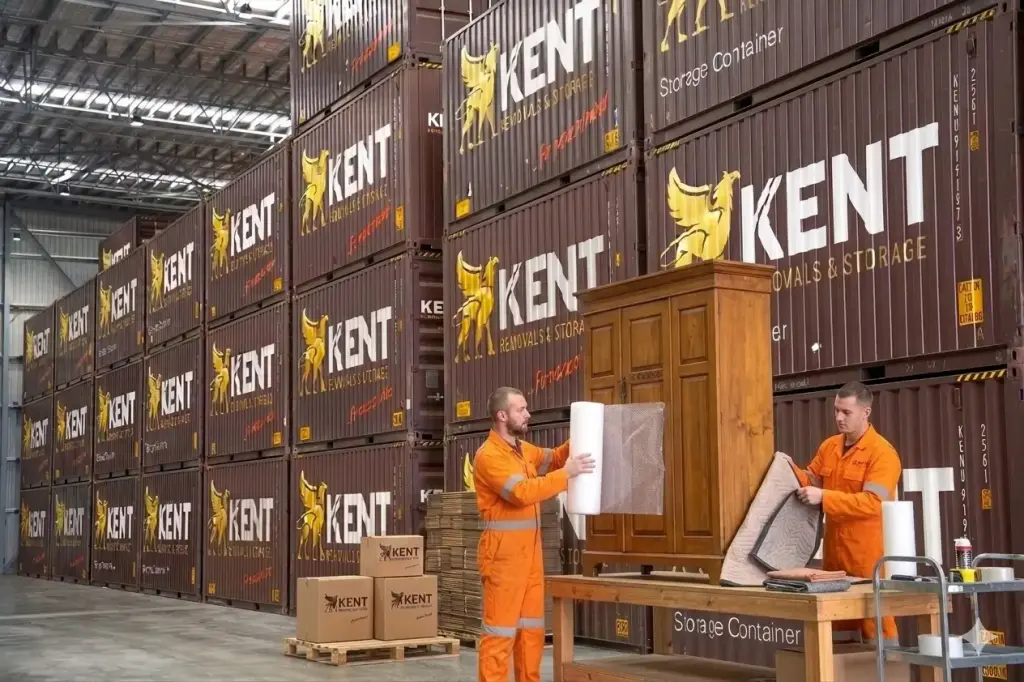
Heavy duty wrapping materials | Furniture and mattresses | Protects against dust and scratches without sealing in moisture the way plastic sheeting does |
Double walled cardboard cartons | Books, kitchenware and heavier items | Holds its shape and weight when boxes are stacked for extended periods |
Plastic tubs with lids | Textiles, documents and anything pest sensitive | Adds a sealed barrier against moisture and pests, best for items that are not prone to trapped condensation |
Bubble wrap | Fragile items, electronics and glassware | Cushions against vibration during transport and any movement while in storage |
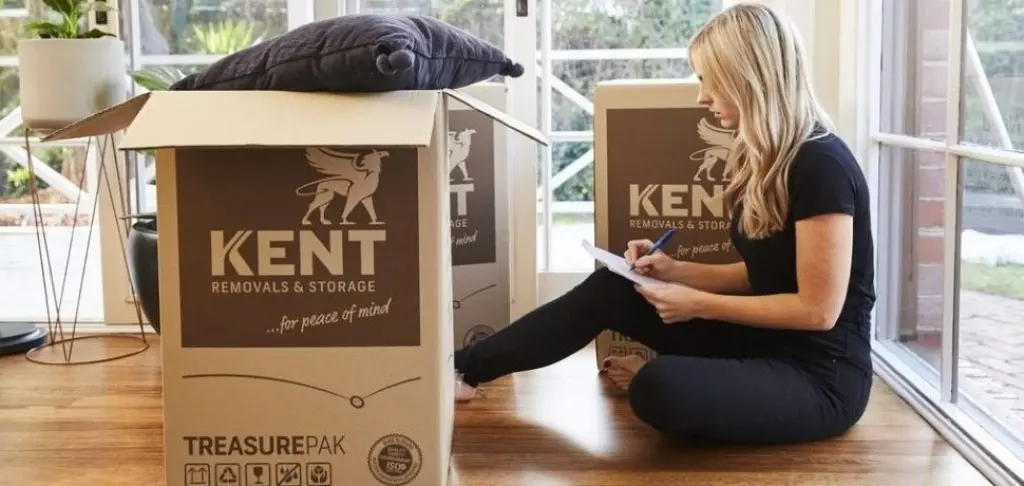
As a general rule, use breathable materials on timber furniture and fabric, and reserve sealed plastic for items that genuinely need a moisture barrier, such as documents or out of season textiles. Label every box clearly with its contents and the room it came from, since a labelled inventory is the fastest way to find something months later without unpacking the whole container.
How to Prepare Furniture for Long Term Storage
Furniture is usually the highest value item going into storage, and it is also the most vulnerable to damage from poor preparation. Learning how to store furniture in a storage unit properly starts with a few extra steps before anything goes into the container.
• Clean and fully dry every piece of furniture before wrapping it. Any residual moisture trapped under a cover will encourage mould over a long storage period.
• Disassemble bed frames, table legs and modular furniture where possible. Smaller components pack more securely and are less likely to be damaged by shifting during transport.
• Use breathable furniture covers rather than plastic sheeting. Plastic traps condensation against timber and upholstery, which is one of the most common causes of mould in long term storage.
• Elevate furniture on pallets or boards rather than placing it directly on the container floor, particularly for items that will be stored for an extended period.
• Keep hardware such as screws and bolts in labelled bags taped to the matching furniture piece, so reassembly is straightforward when the items come out of storage.